
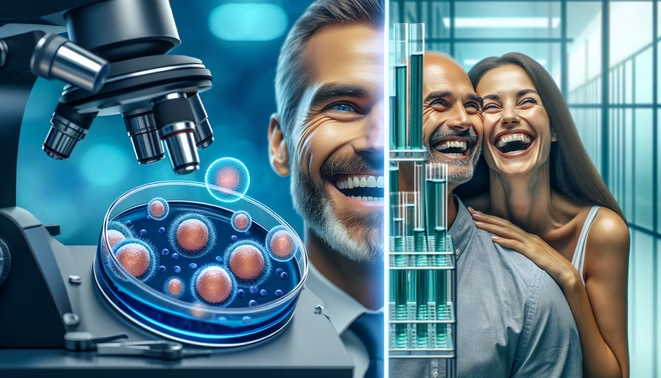
Introduction to Stem Cell Therapy & Erectile Dysfunction
Erectile dysfunction (ED) is a prevalent condition, affecting millions of men worldwide, and is characterized by the inability to achieve or maintain an erection sufficient for satisfactory sexual performance. Common causes include physical issues such as vascular problems, diabetes, and hormonal imbalances, along with psychological factors like anxiety and depression. Reports indicate that as men age, the incidence of ED increases, impacting both individuals and relationships significantly [Source: Cleveland Clinic].
Emerging as a potential solution for managing ED is stem cell therapy, a treatment that harnesses the regenerative properties of stem cells to address the underlying causes of erectile dysfunction rather than merely alleviating symptoms. Recent studies suggest that stem cell therapy may help repair damaged tissues and improve blood flow, thus enhancing erectile function. Initial clinical trials have shown promising results, with some patients reporting restored erectile capabilities significant enough to engage in sexual intercourse—an indication that this therapy could be a game changer for those with limited success from traditional treatments [Source: Gencell].
Understanding Erectile Dysfunction: Causes and Implications
Erectile dysfunction (ED) is a multifaceted condition influenced by several interconnected factors, which can primarily be classified into physical, psychological, and lifestyle-related causes.
Physical Causes: The physical aspects of ED are often related to vascular health. Conditions such as hypertension and diabetes can impair blood flow and nerve function, critical for achieving and maintaining an erection. For instance, studies indicate that “high blood pressure can contribute to vascular problems and worsen erectile dysfunction” [Source: Iowa Urology]. Hormonal imbalances, particularly low testosterone levels, and obesity, which is linked to various metabolic disorders, also play significant roles in the development of ED [Source: Doral Health].
Psychological Factors: A substantial proportion of ED cases, particularly among younger men, stem from psychological issues. Stress, anxiety, and depression can produce a cycle of performance anxiety, exacerbating erectile problems [Source: WebMD]. Research shows that psychological factors account for about 10-20% of ED cases [Source: Psychology Today]. Furthermore, chronic stress can lead to further sexual dysfunction and impaired quality of life [Source: PMC].
Lifestyle-Related Factors: Lifestyle choices significantly influence erectile function. Smoking, excessive alcohol consumption, and lack of physical activity can increase the risk of developing ED [Source: Mount Nittany Health]. Maintaining a healthy lifestyle, including regular exercise and a balanced diet, can mitigate these risks and contribute to improved erectile function [Source: Ariana Sexology].
Implications for Men’s Health: The repercussions of ED extend beyond sexual health. Research indicates that men with ED may experience a decline in overall psychological, social, and physical well-being, leading to significant quality-of-life burdens [Source: PG Men's Health]. Additionally, ED can serve as an early warning sign for cardiovascular disease, particularly in men without traditional risk factors [Source: Yale Medicine]. Recognizing and addressing ED early can be crucial not only for sexual health but for overall health management and prevention of related complications.
The Science Behind Stem Cell Therapy
Stem cell therapy represents a promising intervention for repairing damaged tissues, including those involved in erectile function. Stem cells are unique due to their ability to differentiate into various cell types and promote healing through their presence at injury sites. They facilitate repair by responding to chemical signals released from damaged cells, migrating towards these areas, and, in some instances, transforming into the type of cells needed for regeneration [Source: Infinity Cellular Wellness].
Recent studies have indicated several mechanisms through which stem cells may enhance erectile function. These include promoting neovascularization (the formation of new blood vessels), reducing inflammation, and supporting nerve repair—especially important in conditions where nerve damage contributes to erectile dysfunction (ED) [Source: Taylor & Francis]. Notably, adipose-derived stem cells (ADSCs) have shown efficacy in animal models, suggesting their ability to restore erectile function after injury [Source: ScienceDirect].
The cellular dynamics involved in stem cell therapy for ED also encompass various biological pathways. For instance, the therapy might activate intrinsic repair processes and modify the microenvironment of the cavernous tissue, potentially reversing age-related and diabetes-related ED [Source: PubMed]. The ongoing research continues to explore these mechanisms, emphasizing the potential of stem cells in therapeutic applications for enhancing sexual health and addressing erectile dysfunction [Source: Springer].
Clinical Evidence and Research Findings
Recent clinical trials have highlighted the effectiveness of stem cell therapy as a promising approach for treating erectile dysfunction (ED). A systematic review published in *Frontiers in Medicine* discusses various interventional studies examining the efficacy of stem cell therapy in this context. These studies suggest marked improvements in erectile function, particularly for patients suffering from conditions like diabetes or nerve injuries associated with prostate surgery [Source: Frontiers].
One notable study published in *UroToday* suggests that stem cell therapy is not only safe but also provides effective short-term benefits for ED, often yielding consistent improvements in erectile function [Source: UroToday]. Specifically, the application of adipose-derived stem cells (ADSC) has demonstrated potential therapeutic benefits, particularly in patients with diabetes-related erectile dysfunction, as outlined in clinical trials assessing the safety and efficacy of these treatments [Source: ScienceDirect].
Furthermore, clinical evidence from trials registered on ClinicalTrials.gov shows ongoing research into the use of stem cell-derived exosomes for ED treatment, with early results indicating potential efficacy and safety [Source: ClinicalTrials.gov].
While stem cell therapy is still considered experimental, its application in managing erectile dysfunction shows promise as an alternative to traditional treatments, warranting further investigation to fully establish its effectiveness and long-term patient outcomes. For related discussions on ED management and alternative therapies, consider exploring our article on effective strategies for erectile dysfunction treatment here.
Future Perspectives and Considerations
As stem cell therapy for erectile dysfunction (ED) continues to develop, ongoing research explores its promise and challenges, shaping the future landscape of treatment options. Current studies indicate that stem cell therapy could significantly improve erectile function, particularly in cases resistant to traditional therapies. For instance, a systematic review published in *European Urology* noted that stem cell treatments show potential through various mechanisms, although evidence on efficacy remains inconsistent across studies [Source: European Urology].
Despite the optimistic outlook, several challenges impede the clinical application of stem cell therapy. Ethical dilemmas regarding consent, regulation of unproven therapies, and the standardization of treatment regimens pose significant barriers [Source: Sage Journals]. Additionally, the high costs associated with stem cell research, coupled with the need for rigorous patient recruitment protocols, complicate the advancement toward routine clinical practice [Source: ScienceDirect].
Looking ahead, patients can expect a gradual integration of stem cell therapy into treatment paradigms for ED as clinical trials yield more definitive results. With combined approaches, such as integrating stem cell therapy with low-intensity shockwave therapy, findings suggest enhanced therapeutic efficacy [Source: ScienceDirect].
Moreover, it is crucial for patients to consider the ethical implications of emerging treatments. A comprehensive understanding of the socio-economic impacts and regulations surrounding stem cell applications will be necessary to ensure safe and equitable access [Source: Frontiers in Medicine]. As research progresses, educating both practitioners and patients will be key to fostering acceptance and addressing the regulatory landscape of stem cell therapies for erectile dysfunction.
Sources
- Ariana Sexology - Effective Strategies for Erectile Dysfunction Treatment
- Ariana Sexology - How to Fix Erectile Dysfunction Naturally
- Doral Health - Understanding the Psychological Factors Behind Erectile Dysfunction
- ClinicalTrials.gov - Study on Stem Cell-Derived Exosomes for ED Treatment
- Frontiers in Medicine - Clinical Trials on Stem Cell Therapy for ED
- UroToday - Stem Cell Therapy for Erectile Dysfunction
- Cleveland Clinic - Erectile Dysfunction Overview
- Iowa Urology - Causes of Erectile Dysfunction
- ScienceDirect - Efficacy of ADSC in Erectile Dysfunction
- European Urology - Systematic Review on Stem Cell Treatments
- PG Men's Health - How ED Affects Men's Physical Health
- Sage Journals - Challenges in Stem Cell Therapy
- Gencell - Stem Cell Therapy for Erectile Dysfunction
- Taylor & Francis - Mechanisms of Stem Cells in ED
- WebMD - Psychological Causes of Erectile Dysfunction
- PMC - Chronic Stress and Sexual Dysfunction
- Mount Nittany Health - Erectile Dysfunction Causes, Treatments, and Myths
- Yale Medicine - Erectile Dysfunction as an Early Warning Sign
- Infinity Cellular Wellness - How Do Stem Cells Repair Tissue Damage?
- PubMed - Biological Pathways in Stem Cell Therapy
- Springer - Therapeutic Applications of Stem Cells in ED
```
Free Self-Check
Not sure if it's physical, psychological, or both?
The Ultimate Vitality Check takes 3 minutes. It maps exactly what's driving your erectile difficulties, whether that's blood flow, hormones, anxiety, or the relationship dynamic, and tells you where to focus first. Free, private, no sign-up pressure.
Take the Vitality Check (Free)
Want the bigger picture first? The Hard Truth Masterclass is free and covers exactly how body, mind, and relationship interact in men's sexual health. Ready to go deeper? The Empowered Man Mastery Program is the full clinical pathway.