
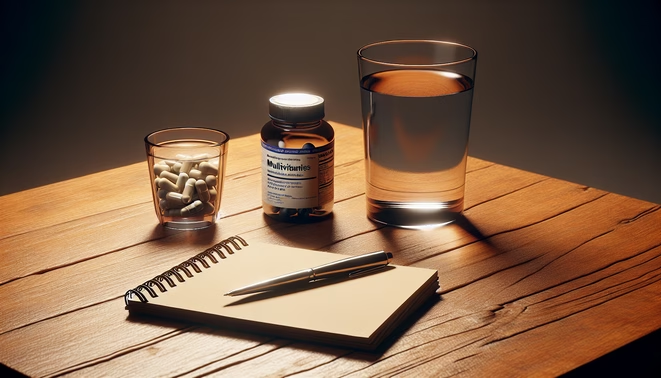
Vitamin D
Vitamin D is vital for testosterone production in men and estrogen in women, both of which are integral to sexual arousal and function. Low levels of Vitamin D have been linked to erectile dysfunction and reduced libido. Studies show that men with adequate Vitamin D levels are less likely to experience sexual dysfunction compared to those with deficiencies [Source: National Institutes of Health].
B Vitamins
B vitamins are essential for hormonal balance and energy levels. Vitamin B6 is crucial for the production of sex hormones, while Vitamin B12 is necessary for red blood cell formation and neurological function, both of which can impact sexual arousal. Low levels of these vitamins can lead to fatigue, which directly affects sexual desire [Source: National Institutes of Health].
Vitamin E
Known for its antioxidant properties, Vitamin E helps maintain healthy blood circulation, which is critical for sexual function. Its deficiency may impair blood flow, leading to issues such as erectile dysfunction. Furthermore, Vitamin E plays a role in hormonal balances that support libido [Source: National Institutes of Health].
Vitamin A
Essential for the production of sex hormones and maintaining reproductive health, Vitamin A deficiency can disrupt hormonal balance, leading to decreased libido and fertility issues. It also supports overall health by aiding in the regulation of the body’s immune responses [Source: NIH Office of Dietary Supplements].
Common Vitamins to Address Deficiencies
Sexual health is influenced by various factors, including nutrition. Key vitamins and minerals can play a vital role in enhancing sexual function. Here are three essential nutrients to consider:
Vitamin D
Vitamin D is crucial for overall hormone regulation, including testosterone production, which is essential for sexual desire and function. A deficiency in this vitamin may lead to reduced libido and can affect sexual performance. To boost your Vitamin D levels, consider incorporating more fatty fish (like salmon and tuna), fortified dairy products, and egg yolks into your diet. Sun exposure is also a natural way to increase Vitamin D, so try to spend some time outdoors when possible.
Vitamin B12
Vitamin B12 is critical for red blood cell production and maintaining healthy nerve function, both of which are essential for good sexual health. Low levels of B12 can lead to fatigue and decreased libido. Foods rich in Vitamin B12 include lean meats, fish, eggs, and dairy products. For those on vegetarian or vegan diets, fortified cereals and plant-based milk alternatives can be effective sources as well.
Zinc
Zinc is known for its role in boosting testosterone levels, which can enhance libido and overall sexual function. It also plays a vital part in sperm production. To maintain healthy zinc levels, incorporate foods like oysters, red meat, poultry, beans, nuts, whole grains, and dairy into your meals. Supplements can be considered if dietary intake is insufficient, but it’s best to consult with a healthcare provider beforehand.
Signs of Vitamin Deficiency
Signs of vitamin deficiency can significantly influence sexual performance in both men and women, with symptoms often including fatigue, mood changes, and decreased libido. Here are some key indicators to watch for:
- Fatigue and Weakness: Persistent tiredness and lack of energy can be signs of deficiencies in vitamins like B12 and D. These vitamins are crucial for energy metabolism and deficiency can lead to reduced stamina during sexual activity.
- Mood Changes: Vitamins such as B6 and B12 are vital for mental health. Deficiencies can result in symptoms like irritability and depression, which may affect sexual desire and performance.
- Decreased Libido: A drop in sexual desire may point to low levels of essential vitamins, such as B vitamins, that support hormonal balance. Both men and women experiencing this should consider evaluating their vitamin intake.
- Erectile Dysfunction or Arousal Issues: In men, vitamin D deficiency has been associated with erectile dysfunction, while women might experience similar issues related to hormonal deficiencies stemming from inadequate vitamin levels.
- Skin Changes: Skin issues, such as dryness or rashes, can indicate a lack of vitamins A and E, which are important for skin health and may indirectly affect sexual attractiveness and confidence.
If you notice these symptoms, it’s important to seek help from a healthcare professional. Regular dietary assessments can help address potential deficiencies before they impact sexual health. For more information on related topics, check out our article on understanding sexual health.
Steps to Rectify Vitamin Deficiencies
To rectify vitamin deficiencies and enhance overall sexual health, consider implementing these actionable steps involving dietary recommendations and supplements:
- Dietary Adjustments:
- Increase Zinc Intake: Foods rich in zinc, such as oysters, pumpkin seeds, and chickpeas, can support testosterone levels and sexual function. Incorporating these into your diet may improve libido and overall sexual health [Source: NIH].
- Incorporate Omega-3 Fatty Acids: Found in fatty fish (like salmon and mackerel), walnuts, and flaxseeds, omega-3 fatty acids can improve blood flow and circulation, which are essential for sexual health [Source: NIH].
- Eat Antioxidant-Rich Foods: Berries, dark chocolate, and green leafy vegetables are high in antioxidants, which help reduce oxidative stress and support vascular health, enhancing sexual function [Source: NIH].
- Supplements:
- Vitamin D: Low levels of vitamin D have been linked to sexual dysfunction. Consider supplementation or getting more sun exposure to boost your levels [Source: NIH].
- L-arginine: This amino acid may improve blood flow and erectile function by enhancing nitric oxide production. It’s available as a supplement and can also be found in meat, poultry, and dairy products [Source: NIH].
- Panax Ginseng: Known for its potential to enhance libido and erectile function, this herbal supplement has demonstrated positive effects on sexual health when taken regularly [Source: NIH].
- Lifestyle Changes:
- Regular Exercise: Aim for at least 150 minutes of moderate aerobic activity per week. Exercise boosts circulation, reduces stress, and can lead to improvements in sexual health [Source: NIH].
- Stress Management: Practicing mindfulness, yoga, or meditation can reduce stress levels, positively affecting sexual desire and performance [Source: NIH].
- Limit Alcohol and Avoid Smoking: Excessive alcohol can impair sexual function, and smoking is linked to erectile dysfunction. Reducing these habits can enhance vascular health and improve libido [Source: NIH].
Incorporating these practical solutions into your lifestyle can significantly impact vitamin deficiencies and improve sexual health. For further insights, check our article on understanding premature ejaculation and its connection to high blood pressure.
Sources
- NIH Office of Dietary Supplements – Vitamin A
- NIH – Zinc and Sexual Health
- National Institutes of Health – B Vitamins and Sexual Function
- National Institutes of Health – Vitamin D and Erectile Dysfunction
- NIH – Omega-3 Fatty Acids and Blood Flow
- National Institutes of Health – Vitamin E Overview
- NIH – L-arginine for Sexual Health
- NIH – Vitamin D and Sexual Health
- NIH – Panax Ginseng Effects
- NIH – Exercise and Sexual Function
- NIH – Stress Management Techniques
- NIH – Alcohol and Sexual Performance
- NIH – Antioxidants and Vascular Health
Free Self-Check
Finishing too fast and not sure why?
The PE Pulse takes 3 minutes and pinpoints the cause, whether it’s arousal sensitivity, anxiety, habit patterns, or something else entirely. Knowing the cause changes everything about how you address it. Free and completely private.
New to this? The Hard Truth Masterclass (free) gives you a clear foundation on how body, mind, and relationship drive performance. For the full structured program: Empowered Man Mastery.