
Understanding Premature Ejaculation
Premature ejaculation (PE) is defined as the inability to delay ejaculation during sexual activity, resulting in unsatisfactory sexual experiences. It is one of the most common sexual dysfunctions affecting men, with studies indicating that it impacts approximately 20-30% of men at some point in their lives [Source: National Institutes of Health].
Various factors contribute to premature ejaculation, including psychological issues like anxiety, depression, and relationship problems, as well as biological factors such as hormonal imbalances or extreme sensitivity of the penis [Source: Mayo Clinic]. Additionally, conditions such as high blood pressure and other cardiovascular diseases can increase the likelihood of experiencing PE, making it a significant issue in men's health [Source: Ariana Sexology].
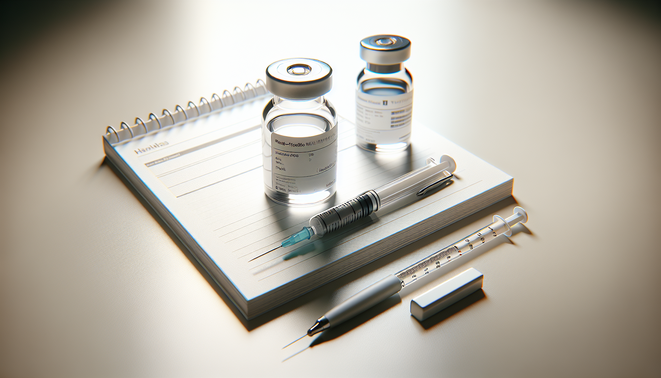
Due to its prevalence and the psychological distress it may cause, various treatments are being explored. Among these, injections are gaining attention as a potential option. These treatments usually involve the use of local anesthetics to temporarily decrease sensitivity, which can help prolong the duration before ejaculation occurs [Source: National Institutes of Health].
The Role of Injections in Treatment
Injections have emerged as a viable treatment option for premature ejaculation (PE), primarily focusing on prolonging sexual performance and enhancing satisfaction for both partners. The most commonly used injections include local anesthetics and substances like platelet-rich plasma (PRP).
Local Anesthetics: These injections utilize agents like lidocaine, which temporarily numb the penis to reduce sensitivity. This effect can help delay ejaculation during sexual activity. Studies suggest that when administered correctly, these injections can be effective in improving ejaculatory control [Source: NIH].
Platelet-Rich Plasma (PRP): This innovative option involves injecting a concentration of platelets derived from the patient’s own blood, aiming to improve blood flow and restore nerve function, potentially enhancing sexual function. Preliminary research indicates that PRP injections can have a positive effect on sexual satisfaction and ejaculatory control [Source: NIH].
Effectiveness and Considerations: While these injection modalities show promise, their effectiveness can depend on technique, dosage, and individual patient conditions. Injections should be performed by healthcare professionals experienced in urology or sexual health to minimize risks and complications. It’s essential for patients to discuss these options with a medical provider, ensuring they understand the potential benefits and risks involved [Source: Ariana Sexology].
Benefits of Injections Over Other Treatments
The use of injections offers several advantages over traditional oral medications, making them a preferred treatment method for many patients.
- Faster Onset of Action: Injections typically provide quicker relief than oral medications because they deliver the drug directly into the bloodstream. Studies indicate that the bioavailability of injected medications is often much higher than that of orally ingested equivalents, leading to more rapid therapeutic effects.
- Higher Drug Absorption: Some medications are poorly absorbed in the gastrointestinal tract when taken orally. Injections bypass these barriers, ensuring that a higher percentage of the drug reaches systemic circulation, which is vital for effective treatment of certain chronic conditions, such as diabetes.
- Dosing Flexibility: Clinicians can adjust dosages more precisely with injection therapy, which can be particularly beneficial for patients who require tailored treatment plans.
- Reduced Side Effects: Injections can minimize gastrointestinal side effects typically associated with oral medications, improving adherence to treatment regimens.
- Improved Efficacy in Certain Treatments: Some conditions require medication that is effectively delivered only through an injection, making it a necessary route for achieving desired therapeutic outcomes.
- Convenience for Self-Administration: Many patients can self-administer their medications with the development of pre-filled syringes and auto-injectors, increasing accessibility and independence.
In conclusion, the advantages of injections, such as faster action, better absorption, and reduced side effects, can significantly enhance treatment outcomes compared to traditional oral medications. Understanding these benefits allows healthcare providers to make informed recommendations tailored to patient needs and preferences [Source: Ariana Sexology].
Potential Side Effects and Considerations
Injection therapies, while effective, carry inherent risks and potential side effects that require careful consideration. Commonly reported risks include:
- Local Reactions: These may include pain, swelling, or redness at the injection site. Such reactions are usually mild and resolve without intervention.
- Infection: There is a risk of infection with any procedure that breaks the skin. Ensuring sterile techniques and proper aftercare can significantly mitigate this risk.
- Nerve Damage: Improper injection techniques can result in nerve damage, leading to numbness or tingling, which underscores the importance of having injections done by trained professionals.
- Allergic Reactions: Some individuals may experience allergic reactions to the injected substances, which can range from mild to severe.
- Systemic Effects: Systemic side effects may occur depending on the therapy and could include hormonal imbalances leading to mood changes or weight gain.
- Scarring: Repeated injections in the same area can lead to scarring or tissue damage over time.
When considering injection therapies, it is vital to discuss all potential risks and benefits with a healthcare provider. Thorough consultations can help establish a comprehensive understanding, enabling safe treatment approaches [Source: Ariana Sexology].
Seeking Professional Advice and Next Steps
When consulting healthcare providers about treatment options, particularly injections, it is essential to be equipped with specific questions. Here are some key questions you can ask:
- What is the purpose of this injection?
- What are the expected benefits?
- What are the potential risks and side effects?
- How is the injection administered?
- How long will the effects last?
- How often will I need this injection?
- What should I do if I experience side effects?
- Are there alternative treatments I should consider?
- What is the cost of this treatment, and will insurance cover it?
By preparing with these questions, you empower yourself to engage actively in your healthcare discussions and make informed choices about your treatment options. For further insights on managing health conditions, you may find our article on understanding premature ejaculation and its connection to high blood pressure helpful.
Sources
Free Self-Check
Finishing too fast and not sure why?
The PE Pulse takes 3 minutes and pinpoints the cause, whether it's arousal sensitivity, anxiety, habit patterns, or something else entirely. Knowing the cause changes everything about how you address it. Free and completely private.
New to this? The Hard Truth Masterclass (free) gives you a clear foundation on how body, mind, and relationship drive performance. For the full structured program: Empowered Man Mastery.