
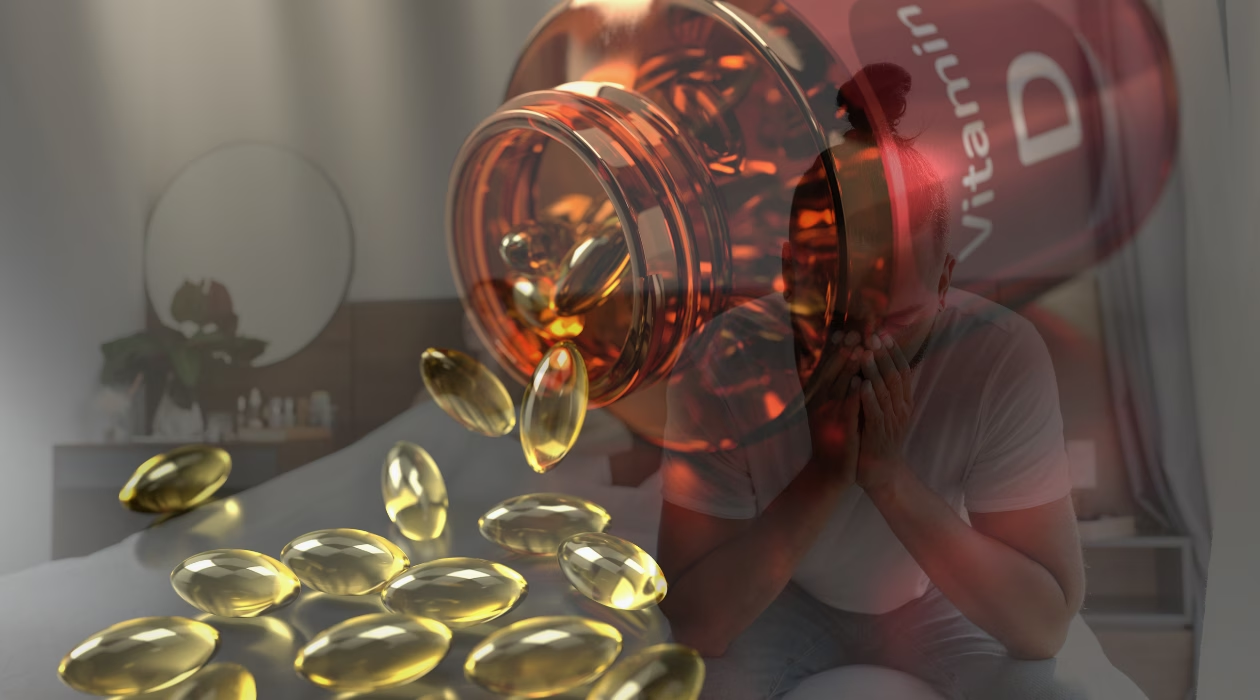
Erectile Dysfunction: An Overview
Erectile dysfunction (ED) is medically defined as the inability to achieve or maintain an erection sufficient for sexual intercourse. This condition can stem from various physical and psychological factors, often tied to underlying health issues such as diabetes, heart disease, and hormonal imbalances. According to the National Institutes of Health, ED affects millions of men and can significantly impact their quality of life and intimate relationships [Source: NIDDK].
Prevalence of Erectile Dysfunction
The prevalence of ED is notable, with studies indicating that around 18% of men in the United States experience this condition. The incidence increases with age—about 10% of men aged 40-70 report severe or complete ED, and this figure can rise sharply in older populations, with nearly 80% prevalence observed in men with certain health conditions like peripheral vascular disease [Source: Boston University], [Source: Johns Hopkins].
Risk Factors for Erectile Dysfunction
Common risk factors contributing to ED include age, cardiovascular disease, diabetes mellitus, hypertension, and lifestyle choices such as obesity and smoking. Psychological factors such as depression and anxiety also play a significant role. Men who manage these conditions proactively can help reduce their risk of developing ED. Efforts to maintain a healthy lifestyle, including regular exercise and proper nutrition, can mitigate many of the risks associated with ED [Source: Johns Hopkins Medicine], [Source: Dovepress].
The Role of Vitamin D in Sexual Health
Vitamin D is a vital nutrient that significantly contributes to overall health, with a particular influence on various bodily functions, including sexual health. Known primarily for its role in calcium absorption and bone health, vitamin D also plays a crucial part in hormonal regulation, immune function, and muscle function. A deficiency in this vitamin can lead to several health issues, such as fatigue, decreased immune response, and even mood disorders like depression, which can negatively affect sexual drive and performance [Source: Rush University].
Emerging Links Between Vitamin D and Erectile Dysfunction
When it comes to sexual health, emerging research indicates that vitamin D is essential for men's sexual function. Low levels of vitamin D have been linked to erectile dysfunction and conditions like premature ejaculation. Studies show that inadequate vitamin D may worsen erectile function since it can exacerbate underlying health issues such as diabetes and hypertension, which are known risk factors for erectile dysfunction [Source: Obsidian Men's Health]. Moreover, it is suggested that adequate vitamin D levels can bolster testosterone production, further enhancing libido and sexual performance [Source: Wiley Online Library].
Vitamin D Deficiency and Erectile Function
Recent studies have established a significant link between vitamin D deficiency and erectile dysfunction (ED), highlighting how low levels of this vital nutrient may impair erectile function. Epidemiological research has shown that lower serum levels of 25-hydroxyvitamin D correlate with an increased prevalence of ED, suggesting that maintaining adequate vitamin D levels is crucial for men's sexual health [Source: Oxford Academic].
Mechanism of Vitamin D in Erectile Function
Mechanistically, vitamin D is believed to influence erectile function through several pathways. One study demonstrated that vitamin D deficiency can induce erectile dysfunction by elevating superoxide levels, which contributes to oxidative stress and inflammation in penile tissues [Source: UroToday]. Furthermore, vitamin D receptor (VDR) knockout in animal models has shown a direct reduction in erectile function, reinforcing the role of vitamin D in vascular and neurological health necessary for maintaining erectile capabilities [Source: Wiley Online Library].
Potential Benefits of Supplementing Vitamin D
Supplementing vitamin D has been proposed as an effective intervention, especially for those with confirmed deficiencies. A randomized trial indicated that correcting vitamin D levels could lead to significant improvements in erectile function, offering a potential pathway for therapeutic strategies in managing ED [Source: Ubie Health]. Given this compelling evidence, monitoring and addressing vitamin D levels could become an essential component in the holistic treatment of erectile dysfunction.
Assessing Vitamin D Levels and Its Impact on Erectile Function
Vitamin D plays a crucial role in various bodily functions, and recent studies highlight its significant impact on erectile function. Assessing vitamin D levels can be done via a simple blood test that measures the concentration of 25-hydroxyvitamin D. Optimal levels typically range from 30 to 50 ng/mL. If your levels are below this range, it may warrant further investigation and intervention.
Research indicates that sufficient vitamin D levels improve erectile function by enhancing endothelial vasodilation and overall arterial health. Men suffering from erectile dysfunction (ED) often exhibit a higher prevalence of vitamin D deficiency [Source: PMC]. Supplementation has shown benefits not only in improving erectile function but also in increasing testosterone levels in those deficient in vitamin D [Source: PMC].
Practical Tips for Increasing Vitamin D Levels
To increase vitamin D levels and potentially alleviate symptoms of erectile dysfunction (ED), consider the following practical tips involving lifestyle changes, dietary adjustments, and supplementation strategies.
Lifestyle Changes:
- Sunlight Exposure: Vitamin D is often referred to as the "sunshine vitamin" because your body produces it upon exposure to UVB rays from sunlight. Aim for 10 to 30 minutes of sunlight exposure several times a week, depending on your skin type and local climate. This is particularly important during the spring and summer months when UVB rays are strongest [Source: NCBI Bookshelf].
Dietary Adjustments:
- Eat Vitamin D Rich Foods: Incorporate foods high in vitamin D into your diet. Key sources include:
- Fatty Fish: Salmon, mackerel, and sardines are excellent sources. For example, a 3.5-ounce serving of cooked salmon contains about 570 IU of vitamin D [Source: Healthline].
- Egg Yolks: One large egg yolk has about 37 IU of vitamin D [Source: BHF].
- Mushrooms: Particularly when exposed to sunlight, some mushrooms can contain significant amounts of vitamin D, with certain types providing up to 1,100 IU per cooked cup [Source: 828 Urgent Care].
- Fortified Foods: Look for fortified dairy products, plant milks, and orange juices which can provide added vitamin D.
Supplementation Strategies:
- Consider Vitamin D Supplements: If dietary sources and sunlight exposure are insufficient, vitamin D3 (cholecalciferol) supplements can be an effective way to enhance your levels. The typical recommended dosage for adults to correct deficiency ranges from 1,000 IU to 4,000 IU per day, depending on individual needs, body weight, and severity of deficiency. Regular monitoring of blood levels is advised to adjust the dosage accordingly [Source: PMC].
- Consult a Healthcare Professional: Before starting any supplementation, it is essential to consult with a healthcare provider, particularly if you have underlying health conditions or are taking medications that affect vitamin D metabolism. They may recommend a specific formulation or dosage based on your health profile [Source: AAFP].
Integrating these lifestyle changes, dietary adjustments, and appropriate supplementation may not only increase your vitamin D levels but also support overall sexual health and potentially improve erectile function. For further insights on managing erectile dysfunction, you may want to explore related articles on our website, such as how blood pressure medication affects erectile function or effective strategies for treatment.
Sources
- AAFP - Vitamin D deficiency: An Overview
- BHF - Foods High in Vitamin D
- Boston University - Epidemiology of ED
- Healthline - 9 Foods High in Vitamin D
- Hims - Vitamin D3 Benefits for Sexual Health
- 828 Urgent Care - Foods to Increase Vitamin D Levels
- NCBI Bookshelf - The Influence of Sunlight on Vitamin D Levels
- PMC - Role of Vitamin D in Erectile Dysfunction
- PMC - Vitamin D Deficiency and Erectile Dysfunction
- Rush University - Importance of Vitamin D in Overall Health
- Ubie Health - Vitamin D and Erectile Dysfunction Research
- UroToday - Vitamin D and Erectile Dysfunction: Role of Superoxide
- PMC - Supplementation of Vitamin D and Erectile Dysfunction
- Wiley Online Library - Role of Vitamin D in Erectile Function
- Wiley Online Library - Vitamin D and Testosterone
- Oxford Academic - The Importance of Vitamin D for Men's Health
- Ariana Sexology - Effective Treatments for ED in Diabetic Men
- Ariana Sexology - ED and Diabetes Connection
```
Free Self-Check
Not sure if it's physical, psychological, or both?
The Ultimate Vitality Check takes 3 minutes. It maps exactly what's driving your erectile difficulties, whether that's blood flow, hormones, anxiety, or the relationship dynamic, and tells you where to focus first. Free, private, no sign-up pressure.
Take the Vitality Check (Free)
Want the bigger picture first? The Hard Truth Masterclass is free and covers exactly how body, mind, and relationship interact in men's sexual health. Ready to go deeper? The Empowered Man Mastery Program is the full clinical pathway.