
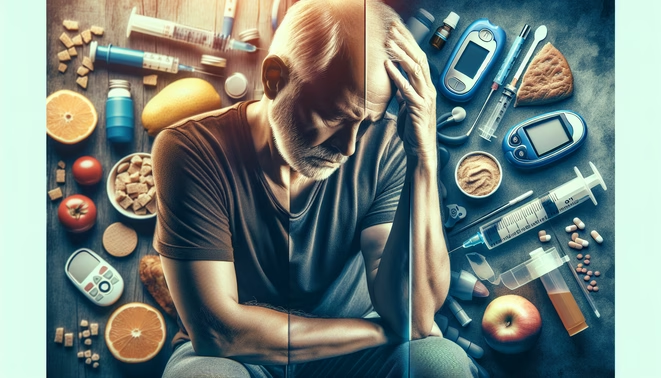
Impact of Diabetes on Erectile Function
Diabetes significantly impacts erectile function by affecting blood flow and nerve function, leading to erectile dysfunction (ED). Men with diabetes often experience inadequate blood flow to the penis, a condition caused by damage to blood vessels and nerves. Over time, high blood sugar levels can lead to vascular and nerve damage, contributing to ED. This damage impairs the body’s ability to achieve and maintain an erection, as both blood flow to the penis and proper nerve signaling are crucial for sexual arousal and function [Source: Obsidian Men's Health].
Research indicates that men diagnosed with diabetes are at a higher risk of experiencing ED, with studies showing that nearly half of men with diabetes will face erectile issues within ten years of their diagnosis [Source: University of Utah Health]. Furthermore, nerve dysfunction in the pelvic region complicates things further, as signals critical for achieving an erection may be disrupted [Source: EDCure].
Lifestyle factors such as obesity, lack of physical activity, and poor dietary habits—common in many individuals with diabetes—also exacerbate these issues, making it essential for those affected to focus on managing their diabetes effectively [Source: Houston Methodist].
Physiological Changes in Diabetes and ED
Men with diabetes are significantly more susceptible to erectile dysfunction (ED), primarily due to physiological changes associated with the disease. Poorly managed diabetes leads to complications affecting various bodily systems, including the vascular, nervous, and hormonal systems, all of which play crucial roles in achieving and maintaining an erection.
One of the primary factors is the damage to blood vessels, a common consequence of diabetes. Elevated blood sugar levels result in atherosclerosis, which narrows and hardens arteries, impairing blood flow to the penis. Studies show that artery blockages are 40 times more prevalent in diabetic men compared to their non-diabetic counterparts, dramatically increasing their risk of ED [Source: Boston University Medical Center].
Additionally, diabetes can disrupt nerve function, particularly in the autonomic nervous system that controls erections. Diabetic neuropathy can lead to diminished erectile response due to impaired nerve signaling. The structural integrity of erectile tissue is also compromised; research indicates that diabetic men exhibit significantly less smooth muscle and more scar tissue, leading to reduced erectile function [Source: Frontiers in Endocrinology].
Hormonal changes, including reduced testosterone levels, contribute as well. Androgen deficiency in men with diabetes can further exacerbate ED, highlighting the importance of managing not just blood sugar but overall hormonal health [Source: Better Health Channel].
Factors Influencing ED in Diabetic Men
Erectile dysfunction (ED) is significantly more prevalent among men with diabetes compared to those without, influenced by various factors such as age, duration of diabetes, lifestyle choices, and co-existing health issues.
- Age: Aging itself is a risk factor for erectile dysfunction. The incidence of ED tends to increase with age due to physiological changes like decreased testosterone levels and vascular stiffening, which reduces blood flow necessary for erections. These effects are accentuated in diabetic men, often causing them to experience erectile issues earlier than their non-diabetic counterparts [Source: Mayo Clinic].
- Duration of Diabetes: The longer a person has diabetes, the greater the likelihood of developing ED. Chronic hyperglycemia can lead to vascular damage and neuropathy, impairing the nerve signals required for erection. Research indicates that nearly 50% of men with diabetes will experience erectile dysfunction after 10 to 15 years of living with the disease [Source: Boston University].
- Lifestyle Choices: Lifestyle factors such as smoking, alcohol consumption, physical inactivity, and poor diet can exacerbate ED in diabetic individuals. These behaviors negatively impact vascular health and hormone levels, making it crucial for diabetic men to adopt healthier lifestyles to mitigate these risks. A meta-analysis found that lifestyle modifications considerably improve erectile function among men with diabetes [Source: Renal and Urology News].
- Co-existing Health Issues: Diabetic men commonly face other health conditions, such as hypertension and cardiovascular disease, which can also contribute to ED. Vascular damage from diabetes can lead to blockages in the arteries that supply blood to the penis. The presence of these comorbidities complicates treatment as they may require coordinated management to address both sexual health and overall well-being [Source: Better Health Channel].
Diagnostic Procedures for Men with Diabetes
Diagnosing diabetes in men typically begins with measuring blood sugar levels through a series of tests. The American Diabetes Association recommends the following methods for diagnosis:
- Fasting Blood Glucose Test: A fasting blood sugar level of 126 mg/dL (7.0 mmol/L) or higher on two separate tests indicates diabetes.
- Oral Glucose Tolerance Test (OGTT): This test involves measuring blood sugar after fasting overnight and then two hours after consuming a sugary beverage. A result of 200 mg/dL (11.1 mmol/L) or higher confirms diabetes.
- Hemoglobin A1C Test: An A1C level of 6.5% or higher also indicates diabetes. This test gives an average blood sugar level over the past two to three months.
- Random Plasma Glucose Test: For those with clear diabetes symptoms, a blood glucose level of 200 mg/dL (11.1 mmol/L) or higher is diagnostic regardless of when the test was taken.
For comprehensive diagnostic evaluation, especially in men, doctors consider risk factors such as family history, age, ethnicity, and physical condition [Source: ADA].
Treatment Options for Men with Diabetes
Managing diabetes effectively involves a combination of lifestyle modifications, medications, and possibly therapy:
- Lifestyle Modifications:
- Diet: Incorporating a balanced diet rich in whole grains, vegetables, lean proteins, and healthy fats can help manage blood sugar levels. Monitoring carbohydrate intake is crucial.
- Exercise: Regular physical activity aids in weight management and enhances insulin sensitivity. The CDC recommends at least 150 minutes of moderate aerobic activity weekly.
- Stress Management: Practices like yoga or meditation can help decrease stress levels, positively impacting blood sugar control.
- Medications: Depending on the severity and type of diabetes, various medications may be prescribed:
- Metformin: A common first-line oral medication that improves insulin sensitivity.
- Sulfonylureas and DPP-4 inhibitors: These medications increase insulin production in the pancreas and help lower blood sugar levels.
- Insulin Therapy: Essential for type 1 diabetes and sometimes necessary for type 2 diabetes when other medications are insufficient [Source: NIDDK].
- Therapies: Counseling or therapy sessions can help address any psychological health issues related to diabetes, such as stress, anxiety, or depression, which often accompany chronic conditions [Source: AAFP].
Practical Tips for Managing Sexual Health
Men living with diabetes face unique challenges in maintaining their sexual health, particularly regarding erectile dysfunction (ED). Effective management strategies can improve sexual health and quality of life. Here are practical tips:
- Control Blood Sugar Levels: Good glucose management is crucial as elevated blood sugar can damage blood vessels and nerves, leading to impotence. Regular monitoring and adherence to prescribed medication can significantly reduce the risk of ED associated with diabetes. Research indicates that men who keep their diabetes well-controlled are less prone to sexual dysfunction [Source: Better Health Channel].
- Adopt a Healthy Lifestyle: Regular exercise, a balanced diet, and maintaining a healthy weight can greatly influence sexual function. Engaging in activities such as aerobic exercises improves blood circulation, which is vital for erections. A Mediterranean diet rich in fruits, vegetables, whole grains, and healthy fats has shown beneficial effects [Source: Frontiers].
- Communicate Openly: Discussing concerns with a partner can alleviate anxiety, helping to build intimacy and understanding. This open communication can mitigate the psychological impacts associated with ED and diabetes, such as feelings of inadequacy or frustration [Source: NCBI].
- Seek Professional Help: Consult healthcare providers early when experiencing issues. Treatment options vary, from oral medications like PDE5 inhibitors to penile injections and vacuum devices. A healthcare provider can tailor a treatment plan based on individual needs [Source: Boston University].
- Consider Counseling: Psychological factors can play a significant role in sexual health; therapy or counseling can help address anxiety and stress related to diabetes and ED. Cognitive-behavioral therapy has been effective for many men facing these challenges [Source: Diabetes on the Net].
- Explore Alternative Therapies: Some patients benefit from complementary therapies, such as acupuncture or natural supplements. However, it's essential to discuss these options with a healthcare provider to ensure safety and efficacy [Source: Frontiers].
Sources
- American Diabetes Association - Diabetes Diagnosis
- American Academy of Family Physicians - Effects of Diabetes on Health
- Better Health Channel - Diabetes and Erectile Dysfunction
- Boston University Medical Center - Diabetes and Erectile Dysfunction
- Frontiers in Endocrinology - Understanding ED and Diabetes
- University of Utah Health - The Link Between Diabetes and ED
- Houston Methodist - Connection Between Diabetes and ED
- Mayo Clinic - Understanding Erectile Dysfunction
- National Institute of Diabetes and Digestive and Kidney Diseases - Insulin and Diabetes Treatment
- NCBI - Psychological Aspects of ED in Diabetes
- Renal and Urology News - Diabetes and Erectile Dysfunction
- EDCure - Diabetes and Erectile Dysfunction
- Diabetes on the Net - Psychological Factors and ED
```
Free Self-Check
Not sure if it's physical, psychological, or both?
The Ultimate Vitality Check takes 3 minutes. It maps exactly what's driving your erectile difficulties, whether that's blood flow, hormones, anxiety, or the relationship dynamic, and tells you where to focus first. Free, private, no sign-up pressure.
Take the Vitality Check (Free)
Want the bigger picture first? The Hard Truth Masterclass is free and covers exactly how body, mind, and relationship interact in men's sexual health. Ready to go deeper? The Empowered Man Mastery Program is the full clinical pathway.