
```html
Understanding Erectile Dysfunction
Erectile dysfunction (ED) is defined as the inability to achieve or maintain an erection sufficient for satisfactory sexual performance. This condition affects a significant portion of the male population across various age groups. Studies indicate that approximately 52% of men aged 40-70 may experience some degree of ED, highlighting its prevalence as a common issue in men's health [Source: NCBI].
The causes of erectile dysfunction are multifactorial and often include physical, psychological, and lifestyle factors. Physically, conditions such as diabetes, heart diseases, and obesity are closely linked with ED. For instance, around 66% of men with diabetes report experiencing erectile dysfunction, significantly increasing the risk [Source: SingleCare]. Psychologically, stress, anxiety, and depression have also been identified as contributing factors, complicating the dynamics of sexual function.
The prevalence of erectile dysfunction is not limited to older age groups. In younger men aged 18-31, approximately 11% reported mild ED, while nearly 3% faced moderate-to-severe ED [Source: SingleCare]. Overall, upwards of 77% of men globally report experiencing ED, with occurrence rates increasing with age [Source: Statista].
Understanding these aspects of erectile dysfunction is crucial for men as they navigate treatment options, from lifestyle changes and therapy to medical solutions. For more insights on management strategies, consider reading our article on Understanding Erectile Dysfunction: Causes, Diagnosis, and Treatment Options.
Over-the-Counter Solutions: What Are They?
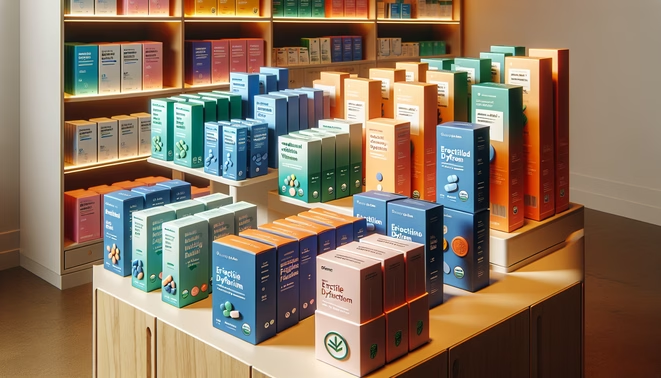
Over-the-counter (OTC) solutions for erectile dysfunction (ED) provide an alternative to traditional prescription medications; however, their effectiveness and safety can vary significantly. Numerous OTC products, including herbal supplements containing ingredients like L-arginine and ginseng, claim to assist with ED, but studies suggest these options are generally less effective than FDA-approved medications such as Viagra (sildenafil) and Cialis (tadalafil) [Source: Doctronic].
Prescription medications are specifically designed to enhance blood flow to the penis, providing a more reliable treatment for most men experiencing ED. Conversely, OTC pills might only offer modest improvements, primarily affecting those with mild forms of the condition [Source: Ro]. Moreover, OTC solutions have their own set of side effects and potential contraindications, underscoring the importance of consulting a healthcare professional before beginning any treatment [Source: Innerbody].
In summary, while OTC options may seem appealing due to their accessibility, they often cannot compete with the proven effectiveness and safety profiles of prescription ED medications. For many men, particularly those with moderate to severe ED, discussing treatment options with a licensed healthcare provider is essential for achieving optimal outcomes [Source: Ariana Sexology].
Top Ingredients in OTC ED Pills
Over-the-counter (OTC) erectile dysfunction (ED) pills often contain several natural ingredients known for their potential benefits in enhancing sexual function. Below, we explore three key ingredients: L-Arginine, Ginseng, and Yohimbine.
L-Arginine
L-Arginine is an amino acid playing a crucial role in nitric oxide production, which helps relax blood vessels and boost blood flow—crucial for achieving and sustaining an erection. Research indicates that doses of L-Arginine ranging from 1,500 to 5,000 mg may significantly improve erectile function, especially in men with mild to moderate ED [Source: PubMed]. A systematic review found that approximately 31% of men reported improved sexual function after using L-Arginine supplements over six weeks [Source: Olympia Pharmacy].
Ginseng
Korean Red Ginseng is particularly noted for its effectiveness in treating erectile dysfunction. This herbal extract works by enhancing nitric oxide production, improving blood flow, and acting as an antioxidant. A study revealed that a daily dose of 600 to 1,000 mg of Korean Red Ginseng led to significant improvements in erectile function [Source: Allo Health]. Additionally, clinical trials have shown that Korean Red Ginseng increased penile rigidity, suggesting its potential as a supportive therapy for ED [Source: AUA Journals].
Yohimbine
Yohimbine, derived from the bark of the Yohimbe tree, targets alpha-2 adrenergic receptors that can inhibit erections. By blocking these receptors, Yohimbine may enhance sexual function and increase erectile responsiveness. Clinical studies indicate that it can improve erectile and sexual functions when used alone or paired with other treatments [Source: NIH]. However, it's essential to note that Yohimbine may cause side effects, including increased heart rate and blood pressure, which should be monitored [Source: Healthline].
In conclusion, these key ingredients—L-Arginine, Ginseng, and Yohimbine—offer potential benefits for men facing erectile dysfunction. However, it's best to consult a healthcare provider to identify the most suitable and safe options tailored to individual health needs. For a deeper understanding of ED treatments, visit our articles on Understanding Erectile Dysfunction and Erectile Dysfunction Unveiled.
Effectiveness and User Experiences
User experiences with over-the-counter (OTC) erectile dysfunction (ED) pills vary significantly, but many testimonials indicate a noticeable improvement in sexual performance and confidence. For example, one user reported a considerable enhancement in the ability to achieve and maintain an erection within just 30 minutes of taking Viagra [Source: Pharmacy Planet]. Conversely, sildenafil users have noted mixed results; while it effectively aided many, others have preferred alternatives like tadalafil for a more satisfying experience [Source: Doctor Fox].
Individuals like Rick, a Hims customer, described how ED medication transformed his life, highlighting the absence of side effects—a benefit many users note [Source: Hims]. Success stories for newer alternatives, such as Ro Sparks, suggest dramatic changes in sexual life, though some users reported side effects like nasal congestion [Source: Men's Health].
Nevertheless, scientific evidence on the efficacy of OTC ED medications urges caution. A review explained that while antioxidants may boost the effectiveness of traditional medications like tadalafil, there are no OTC solutions scientifically verified as safe or effective for treating ED [Source: Medical News Today]. Clinical research emphasizes that prescription medications require careful administration, and potential users should consult healthcare professionals to explore safe options tailored to their specific needs [Source: Mayo Clinic].
Overall, while personal testimonials provide positive feedback about OTC ED pills, the lack of robust scientific validation necessitates a cautious approach, emphasizing the importance of consulting with healthcare professionals before use. For more information on ED and its treatments, refer to our guides on understanding its causes and available therapies such as Understanding Erectile Dysfunction and Erectile Dysfunction Unveiled.
Consulting a Healthcare Professional
Consulting with a healthcare professional before starting any treatment for erectile dysfunction (ED) is essential. ED can often indicate underlying health issues, and a suitable diagnosis is crucial for determining the best treatment plan. Healthcare providers can provide valuable insights into factors contributing to ED, such as cardiovascular health, diabetes, and mental well-being. A comprehensive evaluation by a doctor can ensure that any potential health conditions are addressed, significantly enhancing both sexual function and overall wellness [Source: Mayo Clinic].
Despite the availability of over-the-counter (OTC) treatments, it is critical to consult with a healthcare provider before trying these options. OTC erectile dysfunction medications have not been thoroughly tested for safety and efficacy, and their effectiveness may vary widely among individuals. Experts stress that "consulting a healthcare provider before starting any new treatment" is vital for safety [Source: Twin Lakes]. Currently, the only FDA-cleared OTC option available is a topical gel, Eroxon; obtaining medical advice is crucial when considering any form of treatment [Source: CMH-RI].
In summary, prioritizing an appointment with a healthcare provider ensures safety, enables the development of a tailored treatment plan, and can lead to better health outcomes for men dealing with erectile dysfunction [Source: Verywell Health]. For more information on causes and comprehensive treatment options for erectile dysfunction, see our articles on understanding erectile dysfunction and ED unveiled.
Sources
- Verywell Health - Over-the-Counter Erectile Dysfunction Pills: What You Need to Know
- CMH-RI - Erectile Dysfunction Treatment: Over-the-Counter
- Twin Lakes - OTC Erectile Dysfunction Treatments: A Physician's Guide
- Mayo Clinic - Erectile Dysfunction Diagnosis & Treatment
- Medical News Today - Over-the-Counter Viagra
- Men's Health - Ro Sparks Erectile Dysfunction Pill Review
- Hims - Hims Reviews: ED
- Pharmacy Planet - Viagra for Erectile Dysfunction: Success Stories and Reviews
- Olympia Pharmacy - What Are the Sexual Benefits of L-Arginine?
- AUA Journals - Efficacy of Korean Red Ginseng for Erectile Dysfunction
- Doctronic - Best Over-the-Counter ED Pills That Actually Work
- Ro - Best Treatment for ED
- SingleCare - Erectile Dysfunction Statistics
- Healthline - Yohimbe
- NIH - Yohimbine: A Review
- PubMed - Effects of L-Arginine on Erectile Function
- Statista - Erectile Dysfunction Prevalence in US Men by Age
```
Free Self-Check
Not sure if it's physical, psychological, or both?
The Ultimate Vitality Check takes 3 minutes. It maps exactly what's driving your erectile difficulties, whether that's blood flow, hormones, anxiety, or the relationship dynamic, and tells you where to focus first. Free, private, no sign-up pressure.
Take the Vitality Check (Free)
Want the bigger picture first? The Hard Truth Masterclass is free and covers exactly how body, mind, and relationship interact in men's sexual health. Ready to go deeper? The Empowered Man Mastery Program is the full clinical pathway.