Understanding the Connection Between Weight Gain and Low Sex Drive
Fluctuations in body weight can significantly impact hormonal balance, influencing libido and overall sexual health. High levels of body fat often lead to hormonal imbalances that can adversely affect sexual wellness, such as increased estrogen in men and decreased testosterone in women, ultimately resulting in reduced sexual desire and performance [Source: STL Medical Weight Loss].
Research suggests that as body weight and adipose tissue increase, they can cause abnormalities in sex steroid levels in both premenopausal and postmenopausal women [Source: PMC]. This hormonal disruption can become a barrier to healthy sexual functioning and intimacy. Additionally, fluctuations in weight may also affect mental health, contributing to lower self-esteem and a decreased interest in sexual activity due to societal pressures associated with body image [Source: WebMD].
Hormonal Influences: The Hidden Culprit?
Hormonal imbalances can profoundly affect both weight management and sexual desire. For weight, hormones such as thyroid, cortisol, estrogen, and progesterone play crucial roles in metabolism and appetite regulation. When thyroid hormones are low, for instance, metabolism slows down, making weight loss extremely challenging. Similarly, high cortisol levels from chronic stress can lead to increased appetite and weight gain, particularly around the abdomen [Source: Brown Health].
On the sexual desire front, hormones like testosterone, estrogen, and progesterone are vital for libido. An imbalance can lead to decreased sexual interest and performance in both men and women. For men, a drop in testosterone can result in fatigue and a reduction in libido, while women may experience diminished desire due to fluctuations in estrogen levels, particularly during pregnancy or menopause [Source: Rejuvi Medical]. Common symptoms of hormonal disorders include unexplained weight changes, fatigue, mood swings, and sleep disturbances. These can indicate issues such as polycystic ovary syndrome (PCOS) or thyroid dysfunction [Source: UChicago Medicine AdventHealth].
The Role of Mental Health in Sexual Desire
Emotional wellness and mental health play significant roles in influencing libido and weight. Various mental health conditions, such as anxiety and depression, are closely linked to changes in sexual desire. Stress can create a psychological environment that dampens libido, making it harder for individuals to feel present and engage intimately. For instance, periods of high stress or emotional turmoil can significantly lower sexual desire, as seen in studies highlighting the connection between emotional factors and sexual health [Source: Morgan Virtual Psychiatry].
Conversely, libido can also be affected by weight-related issues. Living with obesity can lead to decreased sexual desire through physical and emotional mechanisms. The hormonal imbalances associated with excess weight can further complicate sexual health, exacerbating feelings of anxiety or self-consciousness [Source: MyObesityTeam].
Understanding these interconnections is essential for addressing the psychological barriers that may interfere with sexual wellness. Seeking professional help from a mental health provider can aid individuals in uncovering and addressing underlying issues, ensuring a more fulfilling sexual experience [Source: Mission Connection Healthcare].
Practical Steps for Rebalancing Your Body
Improving both sex drive and weight management can be achieved through a multifaceted approach that includes dietary changes, exercise, and stress reduction techniques.
Dietary Changes
A nutritious diet is vital for boosting libido and maintaining a healthy weight. Foods rich in antioxidants and healthy fats, like fruits, vegetables, nuts, and oily fish, promote good circulation and heart health, both of which are essential for a healthy sex drive. Conversely, high sugar and processed foods may negatively impact libido and overall energy levels [Source: Medical News Today].
Exercise
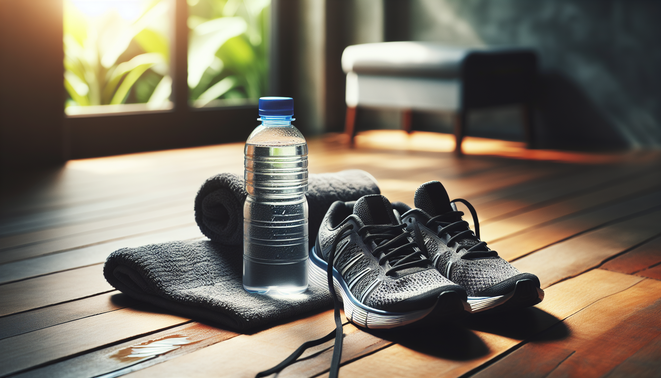
Regular physical activity is key to enhancing sexual health and managing weight. Engaging in exercises that elevate heart rate, such as running or cycling, improves circulation and sexual function. Moreover, mind-body activities like yoga and tai chi reduce stress and improve mood, which can be beneficial for intimacy [Source: My Confidence Clinic]. The practices of yoga and deep breathing techniques can lower stress hormones, thereby improving libido [Source: USU News].
Stress Reduction Techniques
Chronic stress can significantly hinder both weight management and sexual desire. Implementing stress-reduction strategies such as mindfulness meditation, deep breathing exercises, or even simple activities like walking can enhance your mental clarity and emotional well-being. Studies show that lifestyle adjustments focusing on stress management can lead to positive outcomes in both weight control and sexual satisfaction [Source: Obesity Action Coalition].
Incorporating these evidence-based practices into daily life can help improve both sex drive and weight management effectively. For more insights on how lifestyle impacts sexual health, feel free to explore our article on ADHD and Low Sex Drive.
When to Seek Professional Help
Recognizing when to seek medical advice for low sex drive or significant weight gain is crucial for maintaining overall health. Key signs that indicate it’s time to consult a healthcare professional include:
- Persistent Low Sex Drive: A consistent decrease in sexual desire that affects your quality of life warrants evaluation. If this change causes distress or impacts intimate relationships, it’s advisable to discuss it with a healthcare provider. Hormonal factors, psychological issues, or underlying health conditions can contribute to low libido, as noted by the Mayo Clinic.
- Significant Weight Gain: Unexplained weight gain, even while maintaining healthy lifestyle habits, can indicate hormonal imbalances such as low testosterone, as highlighted by Alevizos Medical. This can lead to lethargy and emotional changes, necessitating medical attention.
- Changes in Energy Levels or Mood: If weight gain is accompanied by fatigue, mood swings, or a negative self-image, these could be signs of an underlying issue such as depression or endocrine disorders, which may require a thorough medical evaluation.
- Impact on Intimacy: If sexual health issues start to affect personal relationships or self-esteem, timely consultation with a healthcare provider is important. Providers can identify potential contributors and suggest appropriate treatment options to restore libido and improve health.
- Underlying Health Conditions: Conditions such as Polycystic Ovary Syndrome (PCOS) can directly impact weight and sexual health. A comprehensive evaluation by an endocrinologist can reveal hormonal disorders needing treatment, as discussed by Atlanta Endocrine Associates.
Seeking evaluation for these signs is essential not only for addressing symptoms but also for exploring potential treatments that can enhance quality of life and well-being. Regular check-ups, particularly when experiencing these symptoms, can lead to appropriate interventions and support. For further insights into overcoming low sex drive or weight issues, consider reading about the connections between ADHD and low sex drive.
Sources
- Alevizos Medical – From Weight Gain to Low Libido: 5 Signs You May Be Suffering from Low T
- Atlanta Endocrine Associates – Hormonal Weight Gain
- Brown Health – How Do Hormones Influence a Person’s Weight?
- Medical News Today – How Diet Can Affect Your Sex Drive
- Mission Connection Healthcare – Changes in Libido
- Morgan Virtual Psychiatry – Understanding Libido and Mental Health: How They’re Connected
- MyObesityTeam – Sex Drive and Obesity: How Weight Affects Libido
- Obesity Action Coalition – Sexual Abuse and Obesity: What’s the Link?
- Rejuvi Medical – The Link Between Hormone Imbalance and Low Libido: What You Need to Know
- USU News – New Year, New You: Research Backed Tips for a Healthy Lifestyle
- STL Medical Weight Loss – How Your Weight Affects Your Libido
- PMC – Body Weight and Sexual Function
- UChicago Medicine AdventHealth – Signs of Hormonal Imbalance in Women
- WebMD – Sex and Weight: Is There a Connection?
Free Self-Check
Not in the mood lately, and not sure what’s behind it?
The Desire Gauge takes 3 minutes and explores what’s actually affecting your libido, whether it’s stress, hormones, relationship dynamics, identity, or something else. Low desire always has a reason. This helps you find yours. Free and private.
Want context first? The Hard Truth Masterclass (free) covers how body, mind, and relationship shape desire. Ready for a structured 28-day rebuild? That’s the Desire Rebuild Blueprint.