
Understanding Premature Ejaculation: The Basics
Premature ejaculation (PE) is defined as a common sexual dysfunction where ejaculation occurs sooner than desired, often with minimal sexual stimulation, leading to distress and frustration for both partners. It is estimated that approximately 20% to 30% of men experience PE at some point in their lives, making it one of the most prevalent sexual disorders worldwide [Source: National Institutes of Health].
Several psychological factors can contribute to PE, including performance anxiety, depression, and stress. Men with negative sexual experiences or those who struggle with self-esteem may also be more susceptible to premature ejaculation [Source: National Institutes of Health]. On the physical side, conditions such as hormonal imbalances, neurological disorders, and inflammation of the prostate or urethra can play a significant role in the development of this condition [Source: Mayo Clinic].
Overall, understanding these various factors is essential for addressing PE effectively in both clinical and relational contexts. For more insights on related topics, consider exploring articles on the connection between premature ejaculation and high blood pressure.
Exploring Treatment Options: Creams vs. Sprays
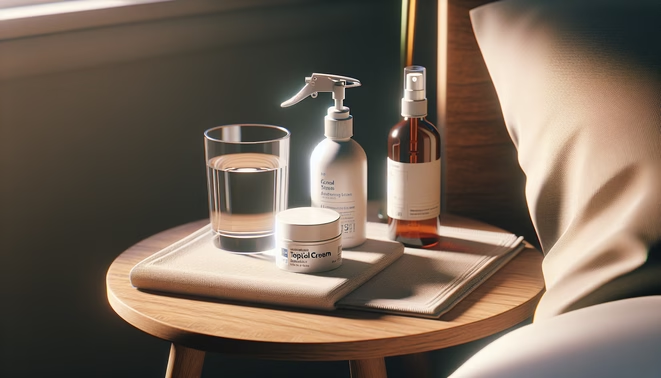
Treatment options for premature ejaculation (PE) include topical agents like creams and sprays, which are commonly used to enhance sexual performance. Both products aim to desensitize the penis to prolong the time before ejaculation, but they come with their own sets of benefits and drawbacks.
How Creams Work: Benefits and Considerations
Topical creams designed to treat premature ejaculation (PE) primarily contain active ingredients such as lidocaine or benzocaine. These local anesthetics work by desensitizing the penile nerves, which helps in delaying ejaculation. When applied to the skin, these creams create a temporary numbness, allowing individuals to last longer during sexual activity.
Lidocaine is one of the most studied ingredients; it effectively reduces sensitivity by blocking nerve impulses in the applied area. Benzocaine functions similarly by inhibiting nerve signals, contributing to a heightened control over ejaculation. Some products may also include menthol or other agents to enhance their effectiveness by promoting blood flow or adding a cooling sensation.
Although generally safe when used as directed, these topical creams can have potential side effects. Users may experience localized allergic reactions, irritation, or a burning sensation at the application site. It's essential to note that excessive application could lead to complete numbness, which may impact sexual pleasure for both partners. To minimize side effects, following the instructions carefully and consulting a healthcare provider if any adverse reactions occur is recommended.
For those considering topical treatments, it’s advisable to inform their partners of usage, as these creams can sometimes transfer during intercourse and lead to numbness on their end as well. Having conversations around expectations and experiences in relation to PE can significantly enhance mutual satisfaction in intimate relationships. For more insights regarding PE and its connections to other health issues, including how it relates to high blood pressure, see our article on understanding premature ejaculation.
The Role of Sprays: Effectiveness and Application
Sprays designed for the treatment of premature ejaculation (PE) can be effective by delivering a numbing agent that helps reduce sensitivity, allowing for extended control during sexual activity. The two most common active ingredients in these sprays are lidocaine and prilocaine, both local anesthetics that temporarily desensitize the penis, which can help delay ejaculation for many users. Research has shown that these sprays can lead to statistically significant improvements in ejaculatory control and sexual satisfaction [Source: PMC].
Proper Application Techniques
For optimal results, it's essential to follow proper application techniques. Generally, users should:
- Apply the Spray: Spray the product onto the head and shaft of the penis as directed (usually 3 to 10 minutes before intercourse).
- Wash Hands Immediately: Avoid contact with sensitive areas, including the partner’s genital area, by washing hands right after application.
- Avoid Overuse: Adhere to the recommended dosage to prevent excessive numbing, which could lead to reduced pleasure for both partners.
- Test Sensitivity: It's advisable to initially test the spray during masturbation to gauge sensitivity before using it with a partner [Source: Urology Health].
Making the Right Choice: Cream or Spray for You?
When deciding between cream and spray options for treatment, it is important to consider personal preferences and the context of the health issue being addressed. Creams are often preferred for their moisturizing properties and localized application, which can provide targeted relief. They may also offer a slower absorption rate, potentially leading to a prolonged effect. Conversely, sprays can offer quick application and absorption, making them ideal for individuals who seek immediate results.
Effectiveness can vary based on the specific condition being treated. For example, in managing pain or inflammation, creams might deliver more sustained relief due to their consistency and formulation. In contrast, sprays may be more suitable for situations requiring rapid action, such as treating conditions that need swift symptom management.
Regardless of the option chosen, consulting with a healthcare professional is crucial. They can provide personalized advice based on individual health needs and conditions, ensuring the chosen treatment aligns well with potential side effects and interactions. For additional insights into how treatment options can impact health, visit our article on understanding health conditions and their connections, such as the link between premature ejaculation and high blood pressure. This resource further emphasizes the importance of tailored medical advice in selecting the appropriate treatment method.
Sources
- Ariana Sexology - Understanding Premature Ejaculation and Its Connection to High Blood Pressure: Insights for Healthy Relationships
- National Institutes of Health - Premature Ejaculation
- PMC - Effectiveness of Treatments for Premature Ejaculation
- Mayo Clinic - Premature Ejaculation: Symptoms and Causes
- Urology Health - Premature Ejaculation
Free Self-Check
Finishing too fast and not sure why?
The PE Pulse takes 3 minutes and pinpoints the cause, whether it's arousal sensitivity, anxiety, habit patterns, or something else entirely. Knowing the cause changes everything about how you address it. Free and completely private.
New to this? The Hard Truth Masterclass (free) gives you a clear foundation on how body, mind, and relationship drive performance. For the full structured program: Empowered Man Mastery.