
Understanding Premature Ejaculation: The Basics
Premature ejaculation (PE) is defined as the inability to delay ejaculation during sexual intercourse, leading to dissatisfaction for one or both partners. It is one of the most common sexual dysfunctions affecting men, with estimates suggesting that approximately 20% to 30% of men experience this condition at some point in their lives [Source: Ariana Sexology].
The prevalence of premature ejaculation varies by age and population, often reported to be between 5% and 30%, depending on different definitions and measurement methods [Source: PMC]. It is particularly common among younger and inexperienced men, potentially linked to anxiety and performance pressure.
Several psychological factors contribute to this condition, including anxiety, stress, and past traumatic sexual experiences. Performance anxiety, in particular, may lead men to rush through encounters, exacerbating the problem [Source: PMC]. Physiologically, factors such as hormonal imbalances, heightened sensitivity of the penis, and neurological conditions may also play a role [Source: NCBI]. Understanding these aspects of premature ejaculation is crucial for effective treatment and management.
What is Lidocaine? A Look at Its Uses
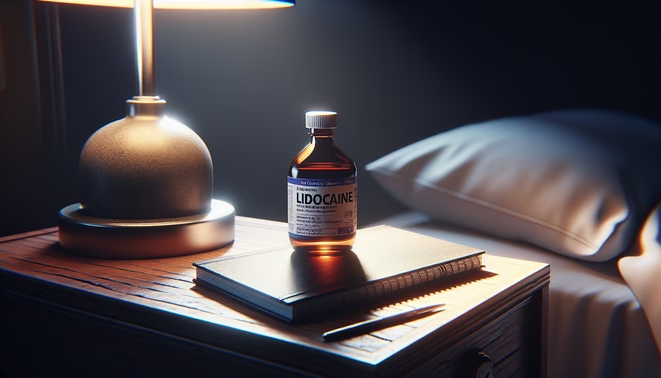
Lidocaine is a widely recognized local anesthetic used in various medical settings, known for its effectiveness in blocking nerve signals. It is often employed in minor surgeries, dental work, and pain relief from conditions such as shingles and neuropathy. Beyond traditional applications, Lidocaine has gained attention as a treatment option for premature ejaculation (PE).
Studies indicate that topical formulations of Lidocaine, especially when applied before sexual intercourse, can delay ejaculation by desensitizing the penis, thereby potentially increasing the duration of sexual activity. This effectiveness is attributed to Lidocaine’s numbing properties, with research showing that men using Lidocaine at appropriate dosages experience improved satisfaction and reduced anxiety related to premature ejaculation [Source: National Institutes of Health].
The growing popularity of Lidocaine for treating PE is partly due to increasing awareness of this condition and the demand for non-invasive treatment options. Men seeking to manage premature ejaculation often appreciate the immediacy and ease of use associated with topical Lidocaine, which can be administered shortly before intercourse.
How Does Lidocaine Help with Premature Ejaculation?
Lidocaine works primarily by inhibiting sodium channels in nerve cells, effectively preventing action potential propagation. This mechanism allows it to block the influx of sodium ions, which are essential for transmitting nerve signals [Source: National Institutes of Health]. In the context of managing premature ejaculation, Lidocaine’s anesthetic properties can effectively diminish the sensitivity of the penis.
Topically applied Lidocaine can reduce sensation during intercourse, allowing individuals to potentially extend the duration before ejaculation. Studies have demonstrated that such treatments can enhance sexual satisfaction and control [Source: National Institutes of Health]. This combination of Lidocaine’s local anesthetic action and ability to modulate sensory input offers a promising option for managing PE, contributing to healthier sexual relationships [Source: Ariana Sexology].
Dosage and Application of Lidocaine for PE
Optimal use of Lidocaine for premature ejaculation involves understanding proper dosages, application methods, and safety considerations.
Recommended Dosages: For topical application, a typical dosage is a Lidocaine 2.5% to 5% cream, applied approximately 15-30 minutes before intercourse. The goal is to delay ejaculation without causing significant numbness.
Application Method:
- Clean the Area: Ensure that the genital area is clean and dry.
- Apply Evenly: Squeeze a small amount of the cream or gel and gently massage it onto the glans and shaft of the penis, avoiding excess application.
- Allow Absorption: Wait for at least 15-30 minutes for the medication to take effect.
- Wash Off Before Intercourse: To reduce the risk of transmitting numbness to a partner, wash off the excess Lidocaine before intercourse.
Important Considerations:
- Sensitivity Assessment: Perform a patch test on a small skin area to check for potential allergic reactions before use.
- Consult Healthcare Professionals: Always discuss the use of Lidocaine with a healthcare provider, especially if other medications are being used or if there are underlying health conditions.
- Side Effects: Potential side effects may include local skin reactions, allergic responses, or systemic toxicity if absorbed excessively.
Safety, Side Effects, and Alternatives to Lidocaine
While Lidocaine is a well-established local anesthetic, understanding its safety and potential side effects is crucial for anyone considering this treatment.
Potential side effects of Lidocaine may include local irritation, allergic reactions, and systemic effects such as dizziness or gastrointestinal distress if administered improperly. Adverse reactions can occur if the medication is absorbed into the bloodstream, leading to severe symptoms like confusion or seizures. Therefore, Lidocaine should be applied under professional guidance to mitigate these risks.
For those seeking alternatives to Lidocaine for managing premature ejaculation, several options are available. Behavioral techniques, such as the “stop-start” method and the “squeeze” technique, can help individuals gain better control over ejaculation. Additionally, counseling or therapy can address psychological factors contributing to PE, fostering healthier sexual relationships.
Pharmacological alternatives include topical anesthetic creams containing benzocaine or other agents that desensitize the penis. These alternatives, however, also carry risks and side effects. Oral medications such as selective serotonin reuptake inhibitors (SSRIs) can effectively delay ejaculation but may result in side effects like nausea or fatigue.
For a comprehensive overview of premature ejaculation and its management, consider reading [this article on the connection between PE and high blood pressure](https://arianasexology.com/slug-understanding-premature-ejaculation-and-its-connection-to-high-blood-pressure-insights-for-healthy-relationships/).
Sources
- Ariana Sexology – Understanding Premature Ejaculation and Its Connection to High Blood Pressure
- NCBI – Understanding Premature Ejaculation
- National Institutes of Health – Mechanisms of Action of Lidocaine
- National Institutes of Health – Efficacy of Lidocaine in Treating PE
- PMC – Prevalence of Premature Ejaculation
- National Institutes of Health – Topical Lidocaine and Sexual Satisfaction
- PMC – Psychological Factors in Premature Ejaculation
Free Self-Check
Finishing too fast and not sure why?
The PE Pulse takes 3 minutes and pinpoints the cause, whether it’s arousal sensitivity, anxiety, habit patterns, or something else entirely. Knowing the cause changes everything about how you address it. Free and completely private.
New to this? The Hard Truth Masterclass (free) gives you a clear foundation on how body, mind, and relationship drive performance. For the full structured program: Empowered Man Mastery.