
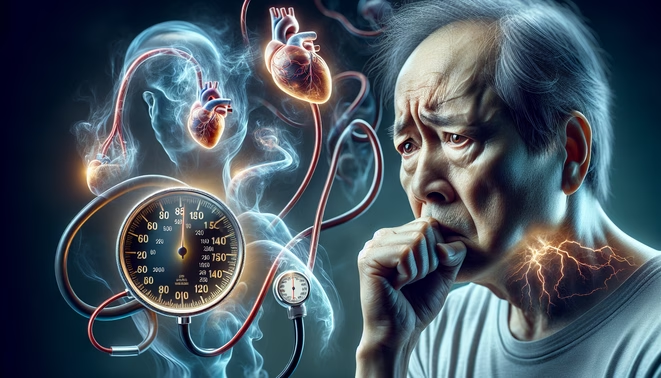
Introduction to Erectile Dysfunction and Hypertension
Erectile dysfunction (ED) and hypertension are intricately linked, presenting significant implications for men's health. Studies indicate that men with hypertension are at a considerably higher risk of developing ED. In fact, a meta-analysis highlighted that hypertension is associated with a marked increase in the risk of erectile dysfunction [Nature]. Moreover, the issue is twofold; while hypertension can lead to ED, ED may also serve as an early warning sign of hypertension [American Journal of Hypertension].
The Biological Link: How Hypertension Affects Erectile Dysfunction
Hypertension significantly impacts erectile function due to its effects on vascular health. High blood pressure can lead to endothelial dysfunction, which is crucial for the normal process of achieving and maintaining an erection. The endothelium regulates blood vessel dilation; when it becomes impaired, as is common in hypertensive patients, blood flow to the penis is restricted. A study showed that nearly 49% of men aged between 40 to 79 with high blood pressure experience erectile dysfunction, underscoring this connection [WebMD].
Additionally, hypertension may accelerate the development of atherosclerosis, further narrowing blood vessels and hindering blood flow necessary for an erection [Wiley Online Library]. Antihypertensive medications, such as diuretics and beta-blockers, can also contribute to erectile dysfunction by affecting blood flow and causing other physiological changes [AHA Journals].
Diagnosing and Recognizing Symptoms: When ED Signals Hypertension
Identifying the link between erectile dysfunction (ED) and hypertension is critical for early diagnosis and intervention. Studies indicate that approximately 49% to 68% of men with high blood pressure experience some degree of ED [WebMD]. Symptoms suggesting that ED may be related to hypertension include decreased sexual desire, difficulty in sustaining an erection during sexual activity, and reduced erections overall.
It is also vital to consider the side effects of specific antihypertensive medications, such as beta-blockers and diuretics, which can contribute to erectile dysfunction [European Society of Cardiology]. If you’re experiencing these symptoms, it’s essential to consult a healthcare professional to ensure that both your sexual health and vascular health are addressed effectively.
Treatment Options: Managing Hypertension and Improving Erectile Dysfunction
Managing hypertension while also addressing erectile dysfunction (ED) involves a multifaceted approach that includes medication management and lifestyle modifications.
Antihypertensive Medications and Their Effects
Many antihypertensive medications can influence erectile function. For example, diuretics and beta-blockers are commonly associated with ED, while newer medications, such as angiotensin receptor blockers (ARBs) and certain calcium channel blockers, may have neutral or beneficial effects on erectile function [European Society of Cardiology]. Switching from a medication that adversely affects erections to one that is less likely to do so, like nebivolol, can be an effective strategy for preserving sexual health [NCBI].
Lifestyle Modifications
In conjunction with medication adjustments, lifestyle changes play a crucial role in managing both hypertension and ED. Regular physical activity, weight management, a balanced diet rich in fruits and vegetables, and stress reduction techniques can significantly improve outcomes for individuals with both conditions. Research indicates that moderate exercise can reduce the risk of ED by as much as 30% compared to a sedentary lifestyle [NCBI].
Additional Therapeutic Options
In cases where medication changes are insufficient, the addition of phosphodiesterase type 5 (PDE5) inhibitors, such as Viagra or Cialis, may be recommended alongside antihypertensive therapy. These medications work by increasing blood flow to the penis, thereby facilitating erections [WebMD].
Conclusion: Strategies for Prevention and Management
Addressing erectile dysfunction (ED) and hypertension concurrently is crucial for overall health management, as both conditions are intertwined with significant cardiovascular implications. Research indicates that traditional cardiovascular risk factors, including hypertension, directly contribute to sexual dysfunction due to endothelial damage, which affects blood flow necessary for erections [PMC].
Lifestyle modifications are foundational to preventing and managing these conditions. Engaging in regular physical activity can reduce the risk of ED by up to 30%, contrasting with a sedentary lifestyle, which harms both conditions [Twin Lakes]. Other recommendations include adhering to a heart-healthy diet, maintaining a healthy weight, and managing stress, as these efforts can optimally support both erectile function and blood pressure control [Florida Southern].
By adopting these strategies, individuals can take proactive steps toward better health outcomes, mitigating the risks associated with both erectile dysfunction and hypertension.
Sources
- American Journal of Hypertension - Hypertension and Erectile Dysfunction
- AHA Journals - Antihypertensive Drugs and Erectile Dysfunction
- Florida Southern - Impacts of Lifestyle on Hypertension and Erectile Dysfunction
- NCBI - Nebivolol and Erectile Function
- PMC - Hypertension's Impact on Erectile Dysfunction
- Twin Lakes - Holistic Management of Hypertension and ED
- WebMD - The Link Between High Blood Pressure and ED
- Wiley Online Library - Exploring Hypertension and ED
- Nature - Link Between Hypertension and ED
- European Society of Cardiology - Hypertension and ED
```
Free Self-Check
Not sure if it's physical, psychological, or both?
The Ultimate Vitality Check takes 3 minutes. It maps exactly what's driving your erectile difficulties, whether that's blood flow, hormones, anxiety, or the relationship dynamic, and tells you where to focus first. Free, private, no sign-up pressure.
Take the Vitality Check (Free)
Want the bigger picture first? The Hard Truth Masterclass is free and covers exactly how body, mind, and relationship interact in men's sexual health. Ready to go deeper? The Empowered Man Mastery Program is the full clinical pathway.